The India National Cricket Team vs Pakistan National Cricket Team Standings cricket rivalry between India and Pakistan is one of the most intense and celebrated in the sporting world. Fans from both nations eagerly follow every match, not just for the thrill of the game but also for how these encounters influence team standings. In this article, we provide a comprehensive look at the latest standings between the India National Cricket Team and the Pakistan National Cricket Team, along with in-depth analysis to understand the broader implications.
Historical Context of the India-Pakistan Cricket Rivalry
The cricketing contests between India and Pakistan go beyond sport—they are steeped in historical, cultural, and political significance. Since their first match in 1952, both teams have experienced moments of triumph and heartbreak. Over decades, these encounters have evolved into a spectacle that draws massive viewership, with players becoming national heroes overnight. Understanding this history helps contextualize current standings, as past performances often influence team morale and public expectations.
Current Standings Overview
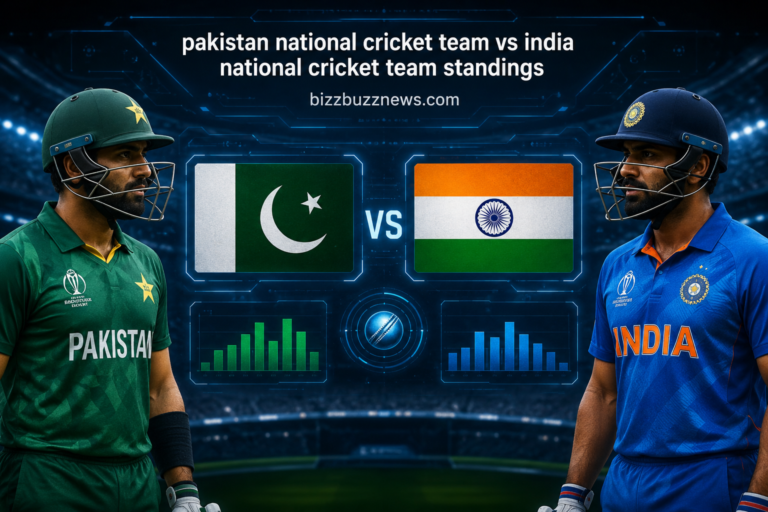
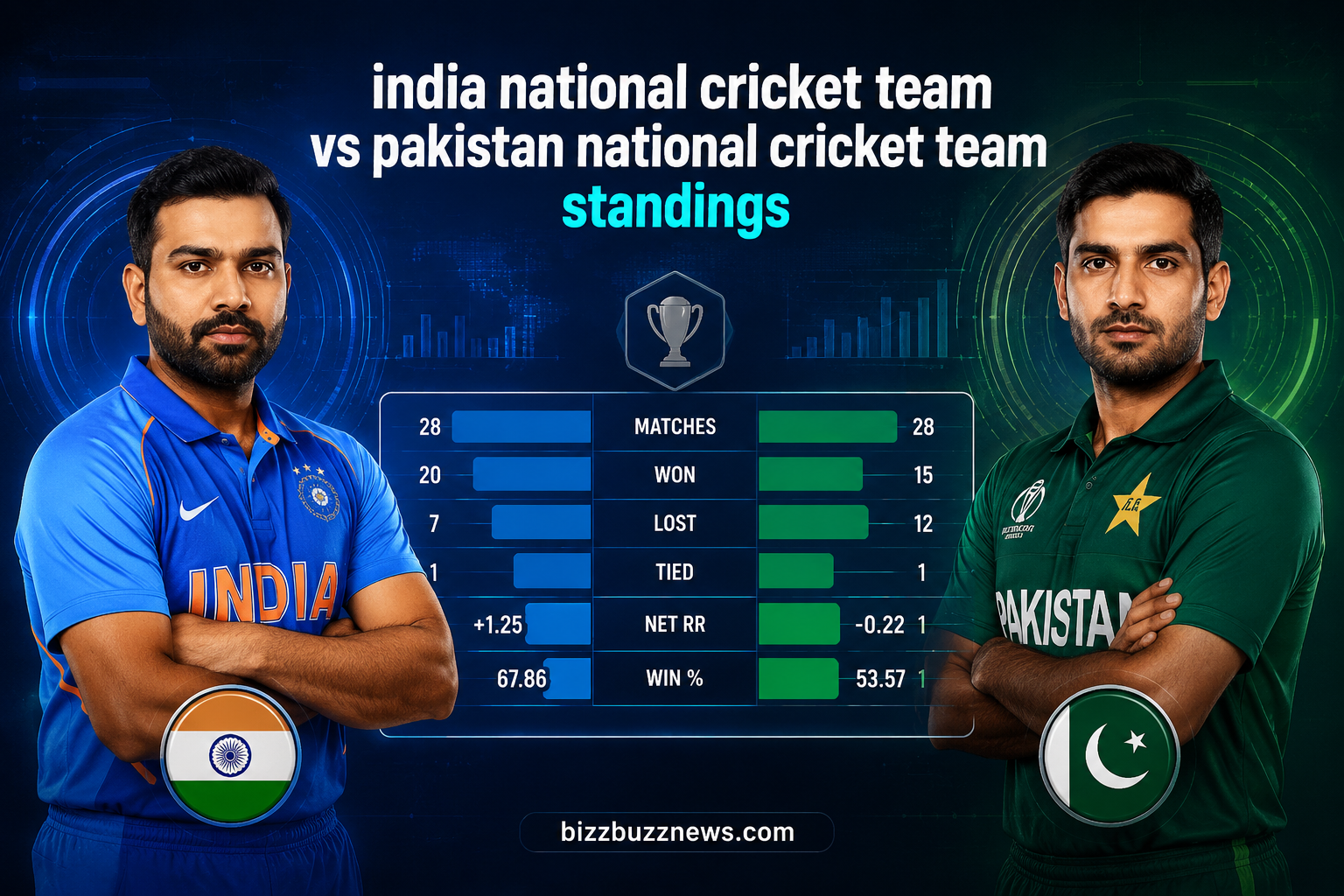
As of the latest updates, the India National Cricket Team maintains a competitive edge over Pakistan in bilateral series and ICC events. India has consistently demonstrated depth in batting and bowling, leveraging young talent alongside experienced players. Pakistan, meanwhile, has shown significant improvement in fast bowling and fielding strategies, narrowing the gap in recent years. The current head-to-head statistics reflect a mixture of dominance and resurgence, with India slightly ahead in overall wins but Pakistan gaining momentum in limited-overs formats.
Key Players Impacting Standings
Several players have a direct influence on the team standings. For India, stars like Virat Kohli, Rohit Sharma, and Jasprit Bumrah contribute to consistent match-winning performances. Kohli’s ability to anchor innings and Bumrah’s skill in death overs are crucial in securing victories. Pakistan relies heavily on the likes of Babar Azam, Shaheen Afridi, and Shadab Khan. Babar’s elegant batting and Afridi’s pace have turned matches in Pakistan’s favor, showcasing the team’s strategic improvements. Player fitness, form, and adaptability are essential metrics when analyzing how standings evolve after each match.
Impact of Recent Matches on Rankings
Recent clashes between India and Pakistan have significantly impacted ICC rankings and bilateral series standings. In T20 internationals, Pakistan’s aggressive approach has often put India on the back foot, while India’s strategic depth ensures they recover in ODI and Test formats. Match outcomes directly influence the points table, affecting qualification for global tournaments. Analysts suggest that maintaining consistent performance across formats is key to improving standings, as a single loss can dramatically shift rankings due to the high competitiveness of both teams.
Statistical Analysis of Head-to-Head Records
Examining the head-to-head records provides a clear snapshot of dominance patterns. Historically, India has held the upper hand in World Cup encounters, while Pakistan has occasionally outperformed India in bilateral series and T20 formats. Win-loss ratios, average runs per innings, and bowling economy rates are valuable indicators. Statistical trends indicate that India excels in high-pressure chase situations, while Pakistan thrives with early breakthroughs and strategic field placements. These analytics offer insight into why current standings favor one team over the other and how minor shifts in performance can alter rankings.
Factors Influencing Team Performance
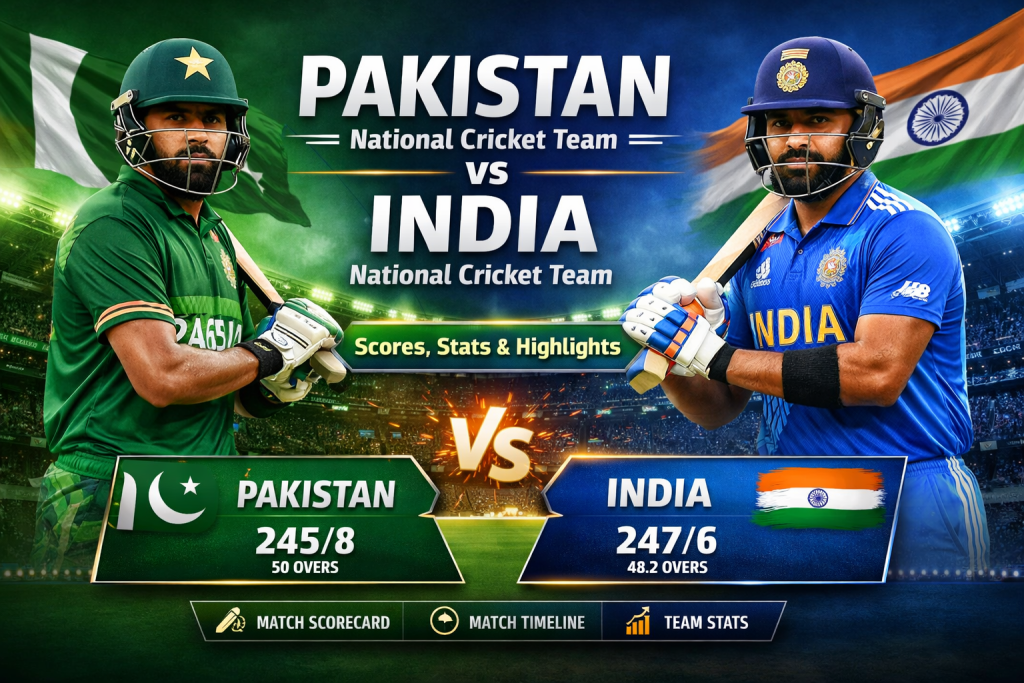
Multiple factors determine how India National Cricket Team vs Pakistan National Cricket Team Standings. Pitch conditions, player form, injuries, and coaching strategies all play critical roles. India’s preparation often emphasizes adaptability to varying pitches, while Pakistan focuses on exploiting strengths in pace bowling and aggressive fielding. External factors like weather and crowd support also influence outcomes, particularly in home-and-away matches. Recognizing these variables is essential to understanding why standings fluctuate and how future match outcomes might shape the rivalry further.
The Role of Emerging Talent
Both teams are actively integrating young talent, which impacts current and future standings. India’s youth players bring fresh energy and innovative techniques, challenging veteran players and boosting team depth. Pakistan’s emerging stars contribute to dynamic game strategies and unpredictable match outcomes. Incorporating these new players requires balancing experience with innovation, and teams that manage this well often climb in standings quickly. Analysts note that scouting and nurturing talent is as crucial as on-field performance for long-term success.
Strategic Insights for Upcoming Fixtures
Upcoming India-Pakistan fixtures are critical for standings and global tournament implications. India’s strategy typically revolves around stabilizing the top order and utilizing spin and pace variations effectively. Pakistan emphasizes aggressive opening partnerships and strong bowling attacks to disrupt opposition plans early. Understanding these strategies helps predict match outcomes and potential shifts in rankings. Teams that adapt mid-game to pitch conditions and opponent tactics are more likely to maintain or improve their standings.
Fan Engagement and Media Influence
Fan support and media coverage indirectly affect team standings by shaping player confidence and national expectations. Social media interactions, televised coverage, and public commentary create high-pressure environments. India and Pakistan players often perform better under intense scrutiny due to the motivational factor, but excessive pressure can lead to critical mistakes affecting match results and standings. Engaged fan bases also increase the visibility and financial backing of cricket boards, further influencing team preparation and performance.
Conclusion: The Significance of Standings
The standings between the India National Cricket Team and the Pakistan National Cricket Team are more than numerical rankings—they reflect the ongoing evolution of skills, strategies, and cricketing culture. While India currently holds a slight advantage in overall performance, Pakistan’s recent improvements suggest a competitive future. Understanding these standings requires analyzing historical data, player impact, strategic execution, and emerging talent. As both teams prepare for future clashes, fans and analysts alike eagerly anticipate how these dynamics will continue to shape one of cricket’s greatest rivalries.