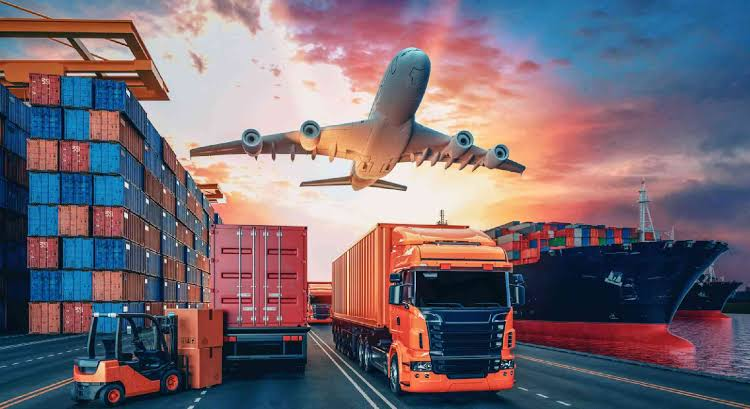
In today’s hyper-connected global economy, cross-border e-commerce and international trade have expanded beyond traditional boundaries. Businesses of all sizes from fast-scaling Amazon FBA sellers to multinational enterprises rely heavily on robust supply chains to move manufactured goods efficiently across continents. However, navigating the complexities of international trade, customs compliance, tariff barriers, and multimodal transportation remains one of the most challenging hurdles for modern importers.
To thrive in a competitive marketplace, businesses must move away from fragmented shipping setups and adopt integrated logistics channels that ensure predictable transit times, transparent pricing, and end-to-end reliability.
The Evolving Dynamics of Sourcing from China
China remains the primary manufacturing hub for the global market, producing everything from consumer electronics and industrial machinery to apparel and home goods. While finding reliable Chinese suppliers has become easier thanks to digital B2B platforms, coordinating the logistics from factory floor to overseas destination continues to present operational bottlenecks.
Importers regularly face several operational hurdles:
- Customs Hurdles & Tariff Nuances: Navigating country-specific import taxes, duty rates, and clearance regulations requires expert handling to prevent unexpected border delays or penalties.
- Volatile Freight Rates: Dynamic changes in ocean and air freight pricing demand strategic planning to maintain profit margins.
- Multiple Transport Legs: Moving cargo requires seamless coordination across trucks, cargo planes, container ships, and railway lines.
- Risk of Cargo Damage or Loss: Inadequate handling or poor packaging during transit can disrupt the entire retail inventory flow.
To overcome these complexities, importers increasingly rely on specialized forwarders offering end-to-end DDPCHAIN international shipping services to streamline cargo movements directly from Chinese suppliers to destination warehouses worldwide.
Understanding DDP (Delivered Duty Paid) Shipping
One of the most effective strategies for minimizing logistical complexity is leveraging Delivered Duty Paid (DDP) shipping solutions. Under DDP terms, the shipping provider assumes total responsibility for the cargo from origin to final destination—handling export clearance, international freight transport, customs duties, import taxes, and final-mile delivery.
Key Advantages of DDP Logistics
- Cost Predictability: Importers receive all-inclusive pricing upfront, preventing surprise port fees, storage charges, or unexpected duty assessments at destination custom offices.
- Simplified Operations: Businesses don’t need to manage separate customs brokers, truck drivers, or port agents—the entire chain is handled by a single partner.
- Faster Clearance Times: Experienced freight specialists pre-file documentation, ensuring smoother clearance upon destination port arrival.
Exploring Freight Modes for Modern Supply Chains
Selecting the right shipping mode depends on budget, cargo volume, product type, and deadline urgency. Modern logistics relies on flexible multimodal options to balance speed and expense.
| Transportation Mode | Ideal For | Key Benefit | Typical Transit Window |
| Air Freight | High-value, time-sensitive goods | Fastest global transit | 3 – 7 Days |
| Express Courier | Small parcels, urgent samples | Door-to-door speed & tracking | 2 – 5 Days |
| Sea Freight (FCL/LCL) | Heavy machinery, bulk goods | Most economical for large volumes | 20 – 40 Days |
| Rail Freight | Transcontinental Eurasian trade | Balanced cost & speed alternative | 15 – 22 Days |
| Trucking Logistics | Regional cross-border delivery | Flexible point-to-point transit | Dynamic |
Importers researching freight solutions can explore the DDPCHAIN.com official website to compare different shipping options, evaluate air vs. ocean trade routes, and tailor shipping arrangements to meet specific business requirements.
Key Strategies to Optimize Your International Logistics
To ensure your supply chain remains resilient, cost-effective, and efficient, consider incorporating the following best practices:
1. Optimize Cargo Packaging and Space Utilization
Freight charges for air and express shipments are often calculated based on Dimensional Weight (Volumetric Weight) rather than actual weight. Partnering with suppliers to consolidate shipments and compress outer packaging can significantly lower freight costs over time.
2. Plan Around Peak Shipping Seasons
Global freight experiences significant demand spikes during major events such as Chinese New Year (CNY), Black Friday preparations, and the end-of-year holiday rush. Booking vessel space 3 to 4 weeks in advance during these periods helps prevent container roll-overs and elevated spot rates.
3. Maintain Real-Time Visibility
Cargo tracking is no longer a luxury it is an operational requirement. Utilizing freight partners that provide active tracking allows e-commerce sellers and retail brands to coordinate inventory arrivals and manage customer expectations effectively.
4. Work with Multimodal Logistics Experts
Different order types require different shipping channels. An agile supply chain utilizes express options for urgent inventory top-ups while scheduling ocean freight for regular bulk restocking.
Conclusion
Building a scalable, frictionless international business requires a reliable logistics backbone. By pairing Chinese supplier capabilities with experienced end-to-end shipping partners, businesses can eliminate customs headaches, maintain predictable margins, and accelerate product delivery. Leveraging comprehensive DDP and multimodal transport solutions ensures your cargo moves smoothly across borders so you can focus on growing your core business.